Digital Literacy and Critical Thinking Among University Students in Evaluating Indonesian-Language Information in Digital Media: A Literature Review
DOI:
https://doi.org/10.55909/jpbs.v5i6.1931Keywords:
digital literacy, critical thinking skills, information evaluation, digital media, literature reviewAbstract
The rapid development of digital media has transformed the way university students access and consume Indonesian-language information. This accessibility is not always accompanied by adequate information evaluation skills, making students vulnerable to misinformation and misleading content. This article aims to examine the conceptual relationship between digital literacy and critical thinking skills among university students, particularly in the context of evaluating Indonesian-language information in digital media. The study employs a narrative literature review approach by collecting and synthesizing relevant scholarly sources including journal articles, undergraduate theses, graduate theses, and academic books. The discussion focuses on four main areas: the concept and dimensions of digital literacy, the concept of critical thinking skills, students’ ability to evaluate digital information, and the interconnection between these two competencies in the context of language education. The review suggests that digital literacy and critical thinking are two complementary and inseparable competencies in the information evaluation process. Students with strong digital literacy tend to be better positioned to apply critical thinking when engaging with information in digital spaces. This study is expected to inform the development of Indonesian language learning practices that integrate both competencies in an integrated manner.
References
Arinda, N., Muttaqin, A., & Hidayatullah, S. (2024). Hubungan Literasi Digital dan Kemampuan Berpikir Kritis Mahasiswa dalam Mengevaluasi Informasi di Media Sosial. Jurnal Pendidikan dan Kebudayaan, 9(1), 45-62.
Calvani, A., Cartelli, A., Fini, A., & Ranieri, M. (2008). Models and Instruments for Assessing Digital Competence at School. Journal of e-Learning and Knowledge Society, 4(3), 183-193.
Ennis, R. H. (1993). Critical Thinking Assessment. Theory into Practice, 32(3), 179-186.
Eshet-Alkalai, Y. (2004). Digital literacy: A Conceptual Framework for Survival Skills in the Digital Era. Journal of Educational Multimedia and Hypermedia, 13(1), 93-106.
Facione, P. A. (1990). Critical thinking: A Statement of Expert Consensus for Purposes of Educational Assessment and Instruction. San Diego: California Academic Press.
Gilster, P. (1997). Digital Literacy. New York: John Wiley & Son.
Halpern, D. F. (2014). Thought and Knowledge: An introduction to Critical Thinking (5th ed.). Oxfordshire: Psychology Press.
Hobbs, R. (2010). Digital and Media Literacy: A Plan of Action. Washingron Distric Central: The Aspen Institute.
Kementerian Komunikasi dan Informatika Republik Indonesia. (2022). Laporan Tahunan Penanganan Konten Negatif dan Hoaks. Kemenkominfo RI.
Kusmiatun, A. (2022). Bahasa Indonesia di Era Digital: Tantangan dan Peluang Pembelajaran Bahasa dalam Ekosistem Media Sosial. Jurnal Linguistik Terapan, 12(2), 88-104.
McGrew, S., Ortega, T., Breakstone, J., & Wineburg, S. (2018). The Challenge that’s Bigger than Fake News: Civic Online Reasoning in a Postfactual World. AILACTE Journal, 15(1), 1-28.
Mossberger, K., Tolbert, C. J., & McNeal, R. S. (2008). Digital Citizenship: The Internet, Society, and Participation. MIT Press.
Paul, R., & Elder, L. (2020). Critical thinking: Tools for Taking Charge of Your Learning and Your Life (4th ed.). Foundation for Critical Thinking.
Prayogi, R., & Estetika, R. (2019). Kecakapan Abad 21: Kompetensi Digital dan Literasi Data Mahasiswa Pendidikan Bahasa Indonesia. Jalabahasa, 15(2), 141-156.
Stanford History Education Group. (2016). Evaluating Information: The Cornerstone of Civic Online Reasoning. Stanford University.
Sudianto, A., Rahmat, A., & Wulandari, D. (2025). Literasi Digital dan Berpikir Kritis Mahasiswa di Era Media Sosial: Tantangan dan Strategi Pengembangannya. Jurnal Teknologi Pendidikan, 27(1), 112-130.
Suryanto, B., Nugraha, A., & Rahayu, S. (2021). Profil Kemampuan Berpikir Kritis Mahasiswa Perguruan Tinggi di Indonesia: Sebuah Kajian Sistematis. Jurnal Pendidikan dan Pengajaran, 54(2), 203-218.
Downloads
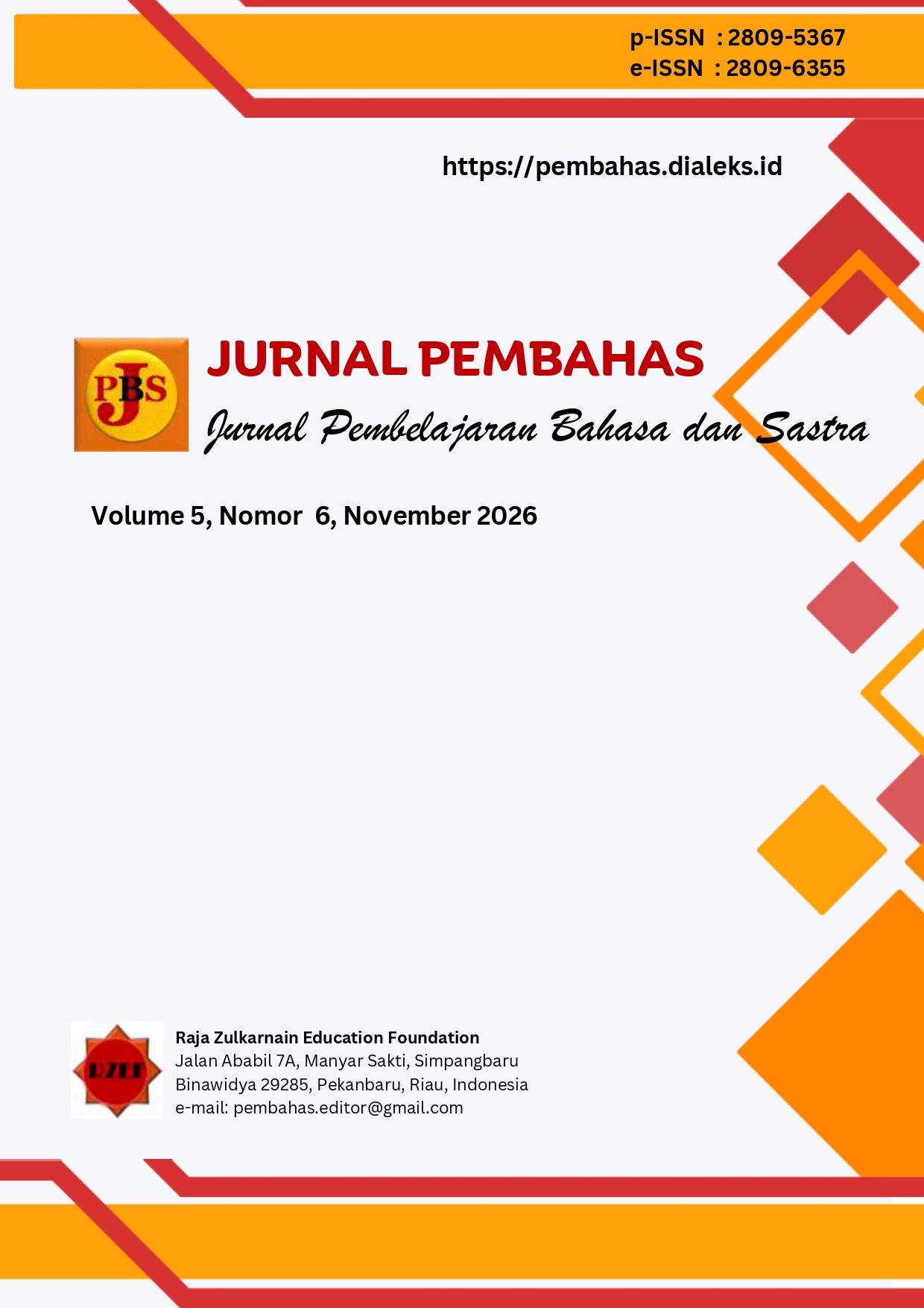
Published
How to Cite
Issue
Section
License
Copyright (c) 2026 Abdur Rohman, Roni Roni, Mulyono Mulyono

This work is licensed under a Creative Commons Attribution-NonCommercial-ShareAlike 4.0 International License.